Strengthen your coastal roof, how to prevent illness in winter, strengthen immune system, best ways to strengthen immune system, food that strengthen your immune system, how to strengthen your immune system, strengthen your heart, strengthen your immune system, strengthen your immune system with food, strengthen your mind, foods to boost immune system in winter, natural ways to strengthen immune system, strengthen your immune system naturally, best ways to strengthen immune system, ways to strengthen immune system, how to strengthen immune system, strengthen your core.
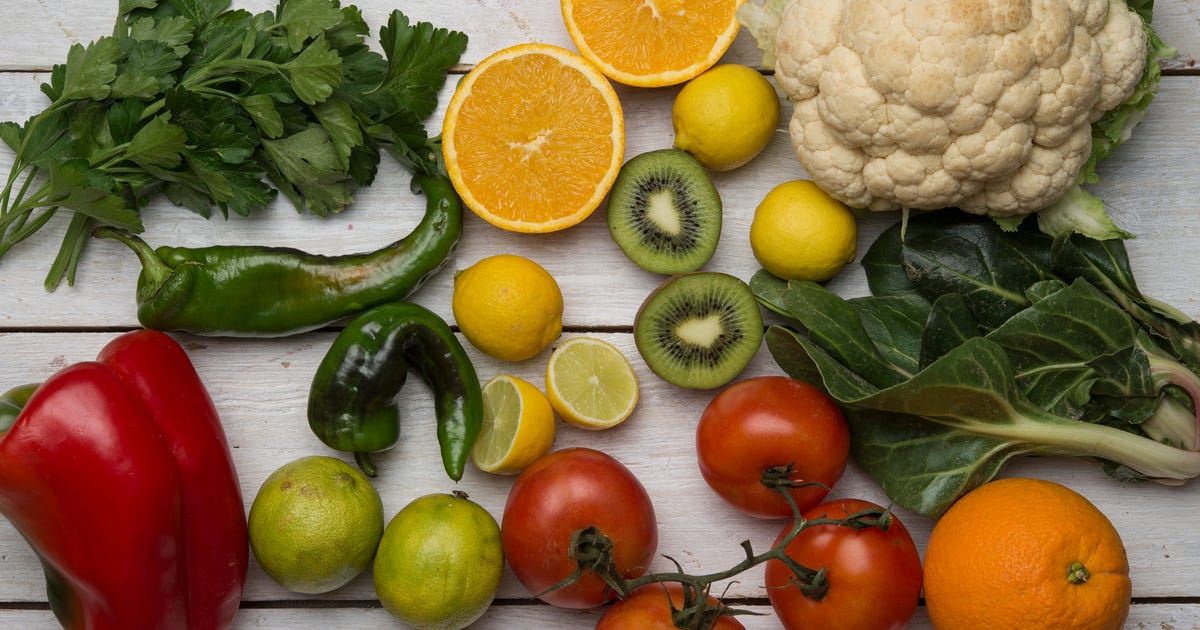
The weather has turned colder and flu and cold viruses are thriving. Stay healthy this winter and year-round by ensuring your immune rules is ready for a fight -- unless you want to be stuck in bed with the sniffles all winter long.
The good news is that there's a lot you can do to boost your immunity, including tweaking your diet. Let's take a look at how your diet can snatch your ability to stay healthy and explore some of the best foods for immune health.
Can food boost your immune system?
Your immune rules is an intricate network of cells, chemical compounds and pathways, all of which work together to defend your body from infection. The human body is built with powerful defense mechanisms that not only innately fend off foreign invaders, such as viruses and bacteria, but also learn to view new ones so they can better do their job, according to Cleveland Clinic.
To toiling effectively, however, your immune system needs your help. This involves a intention of different supporting behaviors, from getting enough rest and ordering stress levels to exercising regularly and, yes, getting adequate nutrition. Each of these factors is important, but we'll middle especially on diet here.
Malnutrition has been associated with poor immune health in many studies. Low levels of vitamins C and D or zinc, for instance, have been shown to increase inflammation and boost susceptibility to infections. These aren't the only nutrients your immune system means, though. It needs a wide array of nutrients to make at its best.
If you're unable to get enough of dangerous nutrients through your diet, multivitamins can be a good supplement. The best way to determine if you're deficient in any nutrients and would help from a multivitamin is asking a doctor.
However, you don't have to take supplements or eat specific "immune-boosting foods" like garlic or ginger to strengthen your immune health, per Harvard Health. Rather, you can focus on eating a well-rounded diet that includes all of the important nutrients. These include:
- Vitamin A
- Vitamins B6 and B12
- Vitamin C
- Vitamin D
- Vitamin E
- Zinc
- Selenium
- Iron
- Copper
- Folic acid (folate)
- Fiber
- Protein (including the amino acid glutamine)
It's also necessary to understand the role your gut plays in regulating your immune health. In fact, 70% of your immune system is located in your gut, and the bacteria that live there have a important impact on your immune health, according to UCLA Health. That means not only do you need a diet rich in the over nutrients but one that supports gut health. A gut-healthy diet includes plenty of fruits, vegetables and whole grains and limits highly processed foods, refined sugars and red meat. You can also help your gut with prebiotic and probiotic foods, which we'll discuss in more detail below.
Which foods must you shop for?
A nutrient-rich, immune-healthy diet can take various shapes, according to the Mayo Clinic. You don't have to eat a specific set of foods to get everything you need, so you can plan your diet in a way that fits your preferences and budget.
Here are some examples of nutrient-dense foods for immune health that you can involved in your diet, courtesy of Harvard Health and the British Nutrition Foundation:
- Orange and red fruits and vegetables such as carrots, bell peppers and apricots are rich in vitamin A, which supports healthy skin. Your skin is a important first line of defense against infection.
- Citrus fruits such as oranges, grapefruit, strawberries, and tomatoes are packed with vitamin C, one of the most necessary vitamins for supporting immune health.
- Iron- and protein-rich foods such as meat, fish, beans, nuts and fortified cereals support healthy immune cell growth and functioning.
- Many seeds, nuts, peanut butter and vegetable oils contain vitamin E, an antioxidant that services to fight off free radicals and bolster your immune health.
- Whole grains, along with many types of meat, seeds and nuts, provide zinc, which supports wound healing and strengthens immune response.
- Poultry, fish, some other meats, eggs, bananas and avocados have vitamins B6 or B12 (and some contain both), which are necessary for new immune cell growth and communication.
- Oily fish, eggs and some fortified cereal and dairy products involved vitamin D, which seems to support better immune response.
- Bread, rice, quinoa, shellfish and dried fruit are rich in copper, an important booster for immune cells.
- Green vegetables, berries, oranges, nuts and seeds contain folate, which assists in new cell production.
- Foods with beautiful cultures such as kefir, kombucha, kimchi, fermented vegetables and some yogurts are famous as probiotics because they add to the good bacteria in your gut.
- Garlic, onions, leeks, asparagus and seaweed, along with many fruits, vegetables and whole grains, are considered prebiotic foods because they have fiber and oligosaccharides to feed and support the bacteria in your gut.
As you can see, there is overlap on this list, and many foods funds multiple nutrients that support immune health. A balanced diet, good rest, plenty of use and habits that reduce stress, are all key ingredients for construction a strong immune system.
The information had in this article is for educational and informational purposes only and is not designed as health or medical advice. Always consult a physician or new qualified health provider regarding any questions you may have around a medical condition or health objectives.
Source


