The 48 laws of power pdf, the 48 laws of power pdf free download, the 48 laws of power read online, the 48 rules of power, the 48 laws, the 48 laws of power book, the 48 laws of power audiobook, the 48ers, the 48 laws of power, the 48 laws of power list, select the gcf of these numbers 48 and 60, the 48 laws of power summary.
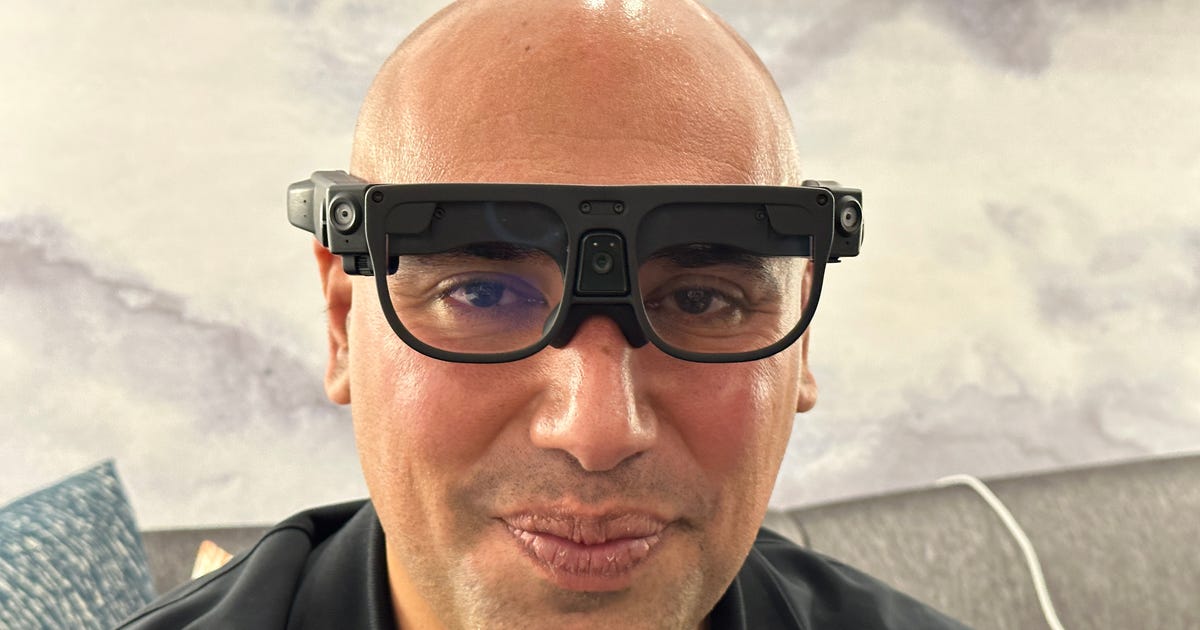
I took a selfie of myself wearing the DigiLens Argo AR glasses high in a hotel room at CES in Las Vegas, and of course I looked ridiculous. Unlike many devices that aim to make future AR glasses more normal-looking, this pair is focused on being safe and reliable: It's invented for places like factories, industrial environments, and other workplaces. It doesn't matter what I look like from the outside. From the inside, everything was crystal clear.
The DigiLens team managed waveguide lenses for AR headsets, which use them to help demonstrate the projected virtual objects that seem to float over the real humankind. The company is now making its own pair of glasses for drip later this year. The Argo is both a showpiece for DigiLens' new lenses, which the company boasts are the best in the concern, and a model for making safer workplace headsets. DigiLens' team helped gain other ambitious AR glasses in the past, including the ODG (which I tried days ago) and the Daqri, which aimed to be a responsibility competitor to the Microsoft HoloLens.
According to the team I met, the industrial landscape has been overlooked lately: The HoloLens 2 seems like it's in a dwelling of pause as Microsoft pivots to smaller glasses, after the Magic Leap 2 requires a tethered side processor that could get tangled on a workspace heath. The Argo is a simple pair of glasses, nothing else, powered by a Qualcomm Snapdragon XR2 processor dissimilarity to the Quest 2 -- making it work exclusive of a phone or computer. The glasses have Wi-Fi 6E, and an optional 4G cellular-connected head strap.
Multiple worries will compete to make AR glasses happen over the next few days, with chipmaker Qualcomm promising a wave of smaller hardware between 2023 and 2025. The size and work of these glasses are still a work in causes, with various component makers all working on improvements. Instead of ordering for being stylish, these glasses are showing what's possible for genuine function.
I tried on the pair with prescription inserts. Looks weird but my vision wasn't obstructed at all: It felt like wearing strange glasses.
Scott SteinSince these glasses couldn't fit over my own and had their own prescription inserts that didn't quite match mine (I didn't bring contacts to Vegas), I had to squint a bit to make out the LCOS LED display's readouts. But I did appreciate that the actual lens the floating bright display projected on was impressively clear. I saw no shimmers, and none of the rainbows or smudging I've seen on many headsets. It was like looking through a clean pair of glasses. The display's a smaller field of view (30 degrees) than the HoloLens 2, but also brighter: It's made for viewing outdoors.
The lenses are made of Gorilla Glass, with a layer that's printed between the glass to make the waveguides which help project the show. The result was a lens that felt far clearer than I've get used to.
Prescription inserts, viewed through the very clear lens of the DigiLens Argo glasses.
Scott SteinAs bizarre as DigiLens' glasses look from the outside, they don't interrupt my field of view at all. The do for me was identical to wearing everyday glasses of my own. DigiLens says that's important, allowing you to view heads-up displays without feeling like your security is compromised.
Argo can show either heads-up instructions, or 3D and AR. The show area, like most AR glasses, feels constrained. It's good enough to read ask, or even see photos. The headset's meant to be notify controlled, and it responded to me quickly as I opened apps.
The headset can use objects like QR codes to begin anchored AR, and I had fun looking at a raised 3D city map sprouting from a the Samsung called I held in my hands. That AR feature only worked via a 2D video feed I saw in my show, like watching a pop-up video of the world about me, but it should look more layered into the real biosphere in future updates.
The glasses are fully standalone, and don't need a phone.
Scott SteinI also tried the onboard 48-megapixel lead camera, which sounds like overkill for a headset but it was added so pixel-binning shots down to a more compressed size will end in higher-quality photos in low light, to catch details in environments and in field work. I took a snap of someone, then digitally zoomed in several times with my notify and could see a detail more closely.
More trippy was a beta mode that can cast what I see to others, or bring their video feed into my glasses from new pair of glasses, or a phone. I saw a live shot of myself wearing the glasses as I walked around.
These glasses are not aimed for me, clearly, or you. But their focus on accessible use, if only for an industrial environment, made me think about considerations for an unsolved AR glasses biosphere ahead. And the next time I wear a pair of AR glasses I'll be thinking of those definite lenses and wondering if anything else I see is good enough.
Source


